Jukwaa la Usalama report flags corruption, terrorism and gangs as key threats

Western Kenya is affected by organised criminal gangs and SGBV. North Eastern continues to grapple with terrorism and land conflicts. Central Kenya faces illicit alcohol and SGBV, while Nyanza is affected by both SGBV and illicit alcohol.
Corruption, drugs and substance abuse, terrorism, undocumented foreign nationals, banditry, and the emergence of criminal gangs have emerged as some of the key threats to Kenya's national security.
This is according to the Jukwaa la Usalama report, which was launched by President William Ruto on Tuesday at State House, Nairobi.
More To Read
- Murkomen warns politicians over hired goons, rising SGBV cases
- Tough decisions stabilised the economy, saved Kenya from shame – Ruto
- Government freezes creation of new administrative units over funding shortfall
- Gov't to review police entry grades in marginal areas, says CS Murkomen
- Murkomen to release Jukwaa la Usalama report after 47-county security forums by month's end
- Public views to shape new security policies as nationwide Jukwaa la Usalama forums end
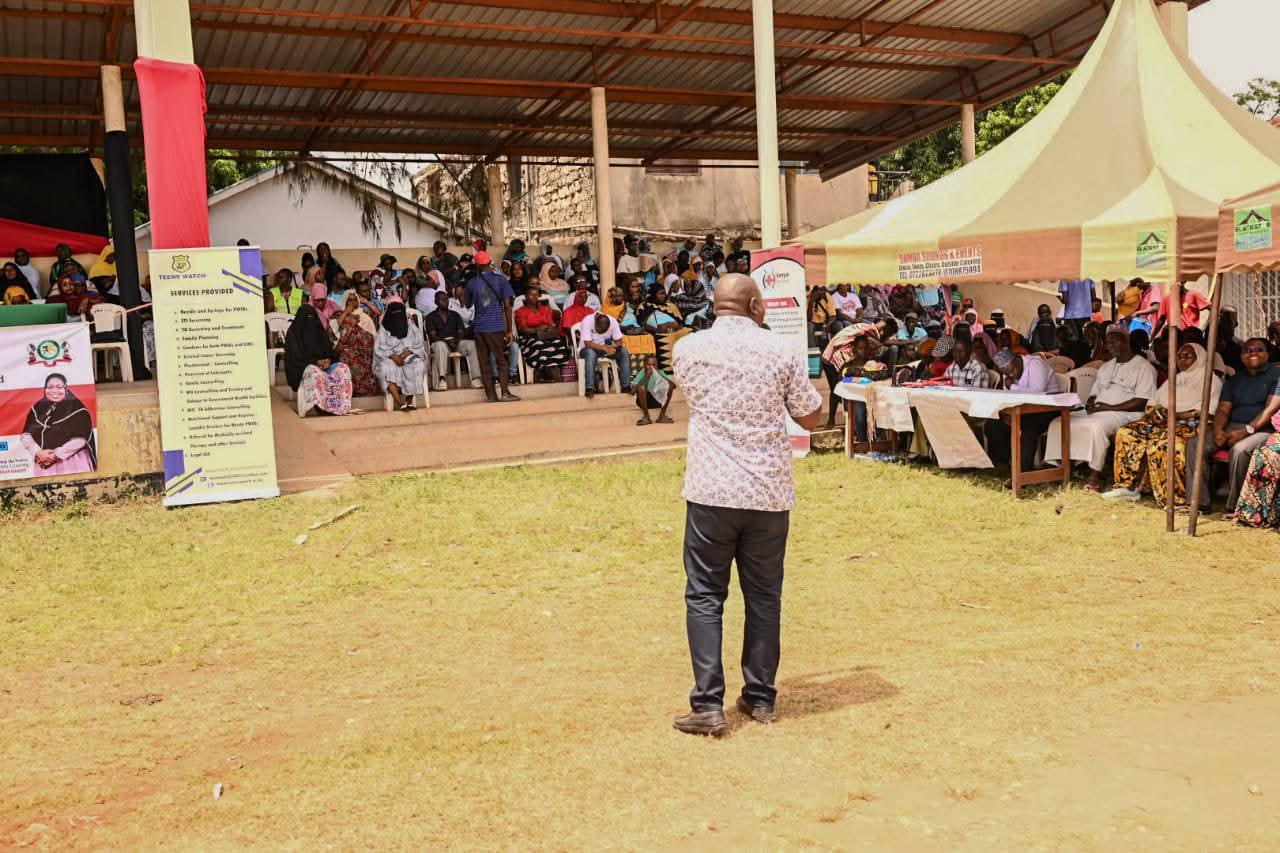
The report contains the findings from the seven-month Jukwaa la Usalama forums held between April and October this year.
According to the report, threats are categorised by region. In Nairobi, land conflicts and terrorism are highlighted. The Rift Valley faces banditry, Sexual and Gender-Based Violence (SGBV), intercommunal land conflicts, and illicit alcohol. At the Coast, land conflicts and drugs dominate. Eastern Kenya struggles with boundary disputes, human–wildlife conflicts, and cattle rustling.
Western Kenya is affected by organised criminal gangs and Sexual and Gender-Based Violence (SGBV). North Eastern continues to grapple with terrorism and land conflicts. Central Kenya faces illicit alcohol and SGBV, while Nyanza is affected by both SGBV and illicit brew.
The report notes that terrorism remains a high threat despite a decline in incidents in recent years.
"The continuing danger arises from instability in our neighbouring countries, which provides a conducive ground for terrorists. These extremist groups, such as al-Shabaab, pose a great danger to the security of our country," the document explains.
It notes the emergence of sleeper cells in Siaya and Busia counties, terming the trend a testament to the evolving nature of the crime, which requires sustained vigilance for countermeasures.
Religious extremism is also flagged as an emerging threat from movements and organisations that continue to prey on vulnerable populations through coercive doctrines, isolation, and psychological control.
Western Kenya, particularly Kakamega County, is cited as an area where fringe groups lure youth and disrupt social structures through anti-state teachings, withdrawal from school, and forced separation from family networks.
On criminal gangs, the report notes that the challenge is spread across Nairobi, Kakamega, Nakuru, Busia, Bungoma, Vihiga, Kisii, Homabay, Kisumu, Tana River, Trans Nzoia, Mombasa, Murang'a, and Machakos counties, with activities ranging from political violence to kidnapping and murder.
Across the other counties, the gangs are concentrated in urban and peri-urban areas, with others having notably penetrated rural areas.
"Nairobi county alone has over 130 gangs," the report says, adding that, majority of the gangs remain amorphous units, assignments come up during the electioneering period.
According to the report, the gangs draw their resilience and adaptability from resources derived from criminal activities like drug trafficking and extortion.
On drug and substance trafficking, the report notes that corruption and a disconnect between the National Government and police efforts aid in their proliferation.
"Chiefs reported that offenders involved in illicit brewing are often released by the police because only police officers are authorised to present suspects in court. This disconnect between administrative officers and law enforcement weakens accountability and hampers local efforts to contain the vice," the report says.
Banditry and stock theft remain a challenge in the North Rift and Upper Eastern region, Central, and parts of Nyanza, though sustained multiagency efforts will help consolidate the gains achieved so far in reducing them.
The report adds that SGBV remains prevalent, in some areas occurring daily, with stigma deterring reporting such cases.
"Across all counties, systemic weaknesses hinder effective response to SGBV. Challenges include: a lack of forensic capacity and delays in government chemist results, insufficient gender desks and a lower number of female officers in rural stations, inadequate psychological support and safe houses for survivors, cultural interference and intimidation of witnesses during investigations, and poor coordination between police, prosecution, and medical services, often leading to cases collapsing," it notes.
It further notes that land fraud manifests itself in the form of document forgery, double allocations, illegal land sales, and corrupt transactions, especially in the hotspot counties of Trans Nzoia, Uasin Gishu, Laikipia, Nakuru, Narok, and Kajiado.
Criminal gangs such as Gaza and Mungiki are cited as being used in Machakos County to invade land and control mining activities, while Team Mashamba and Mawoza are deployed by land grabbers in Kilifi and Mombasa counties.
The report further cites the invasion of multinational farms, such as those operated by Del Monte and tea farms in Kericho and Bomet counties, by locals as having the potential to dent the country's investment image.
Proposed solutions to the threats have been documented in the report, whose findings have been found to provide good feedback to security agencies on matters affecting the public.
As such, the forums will now be held biannually among security stakeholders across the grassroots level and once every five years nationally.
Top Stories Today